What Makes a Room Feel Like Home (It's Not What You Think)
Good design gets complimented for how it looks. Great design gets remembered for how it felt to be in the room.
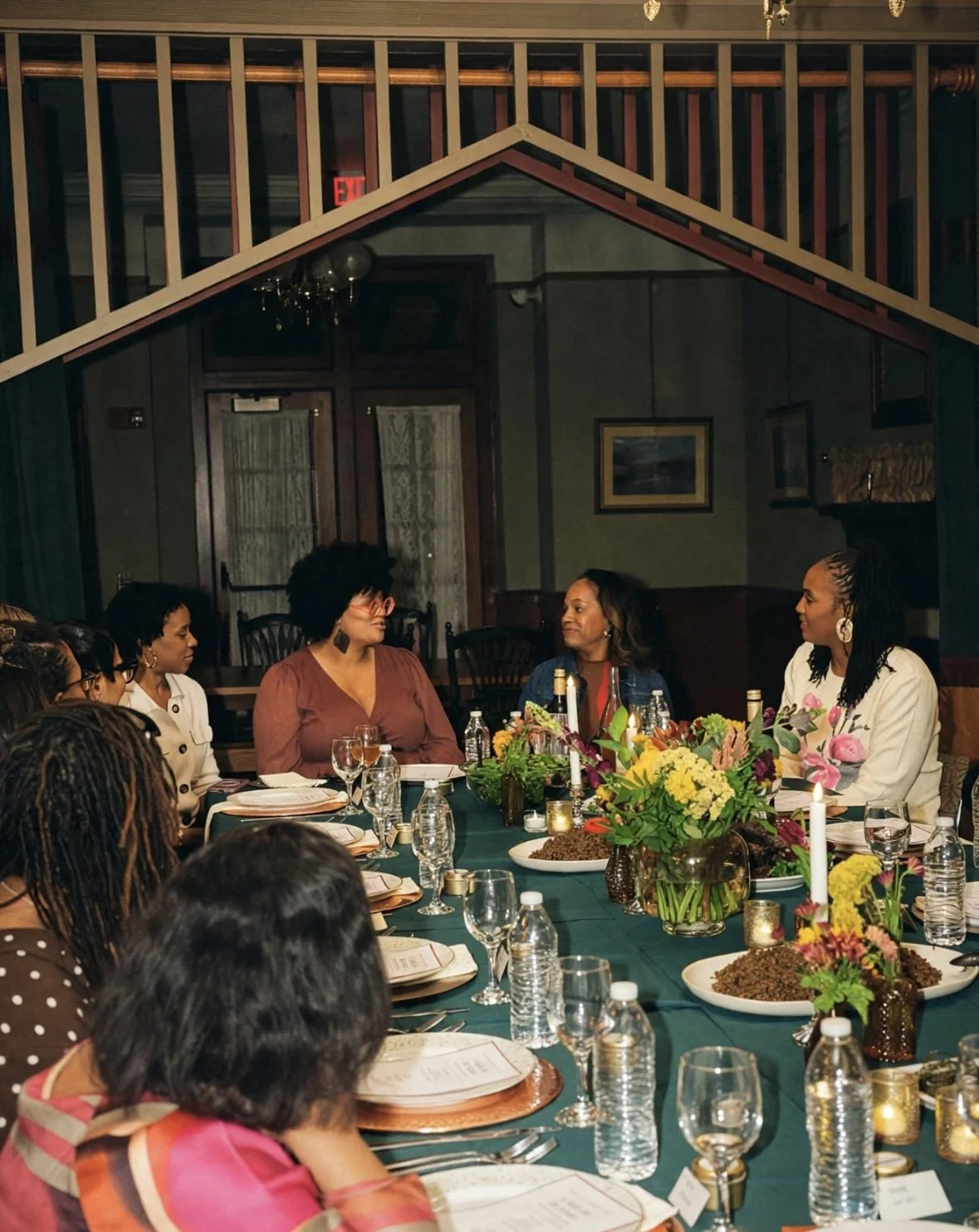
That distinction became clear to me two weeks ago, outside of a client project entirely. I co-hosted an intimate dinner party, A Table for the Senses, with my friend Jennifer Dent Brown at a historic home in Bryn Mawr, Pennsylvania. We built the evening the same way I build a client's home: starting not with what would look beautiful, but with what the people in that room needed to feel.
Every choice carried intention. The colors, green for growth and gold for prosperity, were chosen for what they meant, not just how they paired. The food told a story tied to heritage. Guests received a moodboard and a playlist in the days before the dinner, so the experience began before anyone arrived. By the time they sat down, they weren't walking into an event. They were stepping into something they already felt part of.
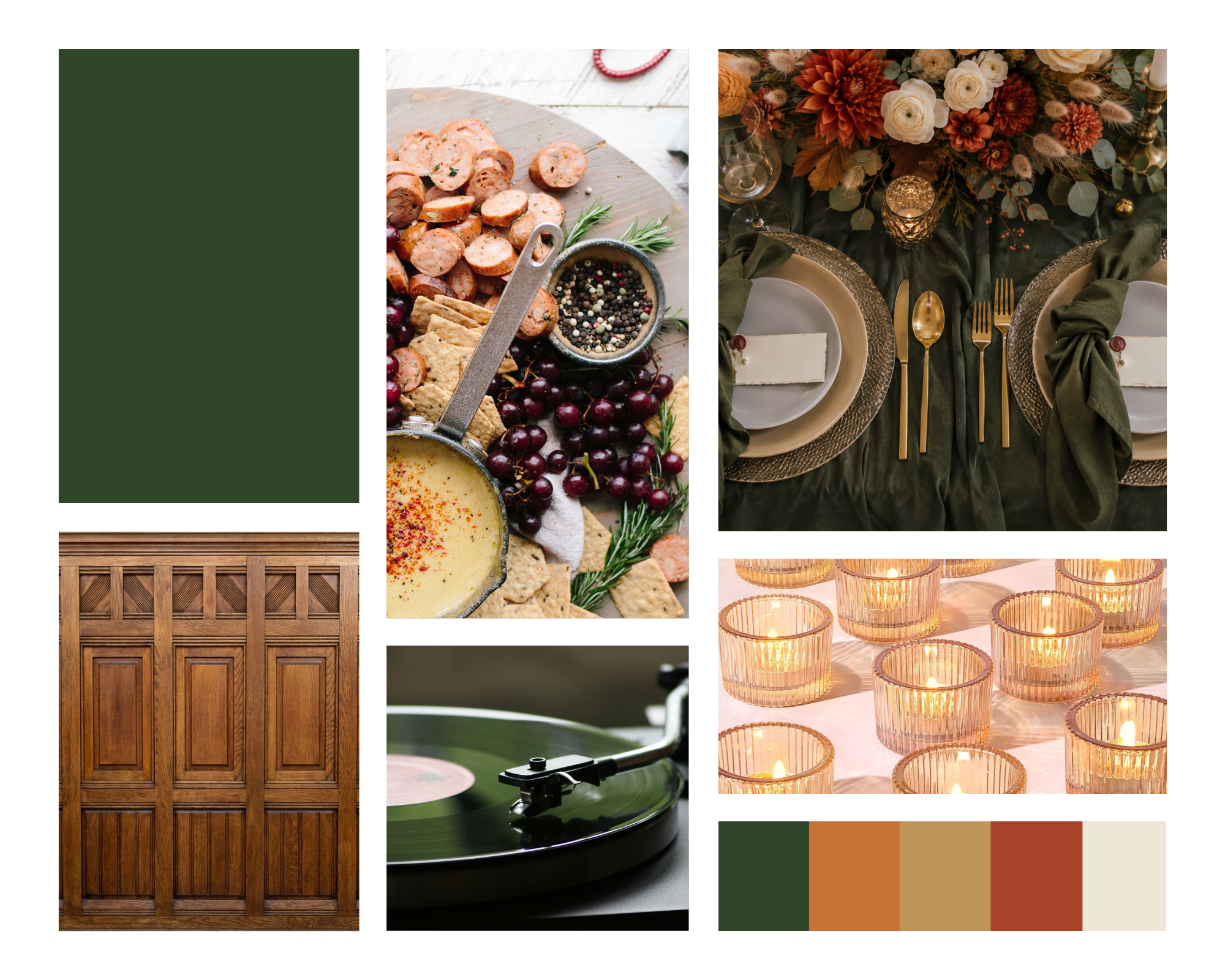
…people don't remember the sofa fabric or the exact shade on the wall. They remember how a room made them feel the moment they walked in, whether that room is a dining area set for one evening or a home they'll live in for a decade.
The response confirmed what I've believed about design for years: people don't remember the sofa fabric or the exact shade on the wall. They remember how a room made them feel the moment they walked in, whether that room is a dining area set for one evening or a home they'll live in for a decade. One guest, who told us she usually dreads anything resembling networking, said this felt completely different. Another called it the most relaxing part of her week.
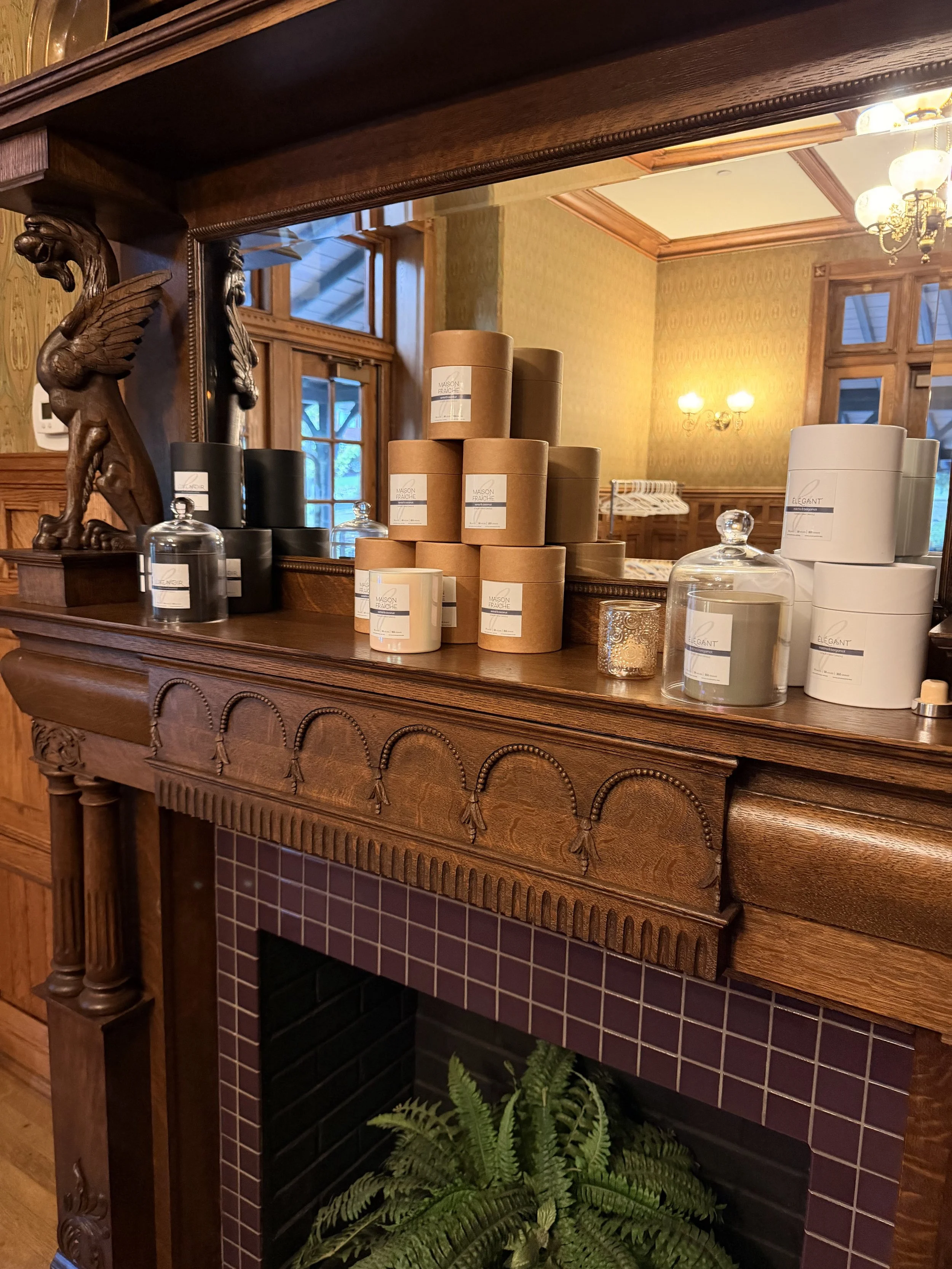
Even the scent in the room was chosen on purpose, a quiet layer most guests couldn't name, but would have noticed the moment it was missing.
That's not decoration but design with a purpose behind every decision. This is the approach I bring into every home I work on. The furniture, the palette, the layout: none of it exists for its own sake. It exists to serve how the people living there want to feel, every day, in their own rooms.
If that's the kind of intention you want brought into your own home, I'd love to talk about what that could look like for you.