
Welcome to the blog, I’m Sabine! Interior Designer, candle creator, mom of 2, and lover of calm, beautiful spaces. I help busy women create homes that feel intentional, functional, and full of joy - one room at a time. Grab your coffee, get inspired, and let’s make your home feel like you again.
Love a well-designed room? Start with a signature scent. Explore the Belfong Candle Collection inspired by legacy, created for the senses.
Need a color palette or design guide? Shop my eBooks + digital boards for instant inspiration.

Can Your Home Reflect Both of You? Yes—Here’s How

Over the past few weeks, we’ve been diving into what it really means to create a home that feels like you—a place of comfort, beauty, and function.
But what if that home isn’t yours alone?
What if you’re sharing it with someone you love… and your styles don’t exactly line up?
It’s a question I hear all the time from couples:
“Can our home truly reflect both of us?”
The answer?
Absolutely. And believe it or not, decorating as a couple can be one of the most rewarding parts of creating a home together.
Sure, there might be a few (or a lot of!) debates along the way—whether it’s about the “right” coffee table or whose art goes on the wall—but with a little creativity, you can create a home that feels beautifully balanced.
Here’s how.
1. Mix, Don’t Match. One of the biggest mistakes I see couples make is thinking their styles have to “match.” But here’s the truth: contrast creates interest.
▻ She loves vintage charm, he’s into clean, modern lines?
Pair a plush velvet sofa with a sleek glass coffee table. Add a statement light fixture that bridges both styles.
▻ He’s passionate about his record collection, she has shelves of books?
Design a media wall that proudly displays both.
Design Tip: When decorating a shared home, look for common threads—a shared love of natural wood, a mutual appreciation for navy tones—and weave those elements throughout your space to keep things cohesive.
2. Create Personal Zones. Even in the most beautifully blended spaces, it’s healthy (and fun!) to carve out a little spot that’s uniquely yours.
▻ Got a sunny nook in the living room?
Add a comfy reading chair with her favorite throw and side table.
▻ Have an unused corner?
Create a mini music station with his record player and guitar.
These personal zones give each partner a sense of ownership and expression—an essential part of successful interior design for couples.
3. Color as a Unifier. Color can be a surprisingly emotional sticking point. My advice? Use it to your advantage.
Start with a neutral base you both like (think soft gray, creamy white, or warm taupe).
Then, allow each of you to bring in one or two accent colors.
Tie everything together with patterns—pillows, rugs, artwork—that include those shades.

couple’s Design Interior mood board
For example: Warm white walls + deep navy (his choice) + muted blush (hers) = a stylish, inviting space that feels balanced and intentional.

Couple’s Designed Home
4. Design for Your Lifestyle. Great design isn’t just about how a space looks—it’s about how it works.
Ask yourselves:
“How do we really live in this home?”
▻ Love entertaining? Choose flexible seating and an extendable dining table.
▻ Netflix nights your thing? Invest in the most comfortable sectional you can find.
▻ Work from home? Set up a dedicated workspace that keeps work and relaxation separate.
When your home supports your lifestyle, it becomes a true sanctuary for both of you.
5. Tell Your Story. This is where your home really comes to life. Don’t be afraid to make it personal:
Frame photos from trips you’ve taken together.
Display heirlooms from both families.
Hang that quirky art piece you picked up on your first vacation.
The goal? A home that tells the story of you—individually and together.
A Final Word
Yes, designing a shared home can bring challenges—but it also offers an incredible opportunity to create something brand new, something that beautifully reflects the life you’re building together.
If you’re navigating the ups and downs of blending styles (or are about to move in with your partner), remember:
It’s not about perfection. It’s about connection.
And I’m here to help you every step of the way.
Have you ever had to blend styles with a partner? What worked—and what didn’t? Leave a comment below—I’d love to hear your story!
And don’t forget to subscribe to my newsletter for more design tips, behind-the-scenes stories, and exclusive workshop invites.

How to Design a Shared Home That Reflects You Both

Over the past few weeks, we’ve been discussing what it means to make a house feel like home—how space planning, intentional design, and thoughtful touches can turn even the most ordinary rooms into sanctuaries of comfort and calm.
But what happens when that home isn’t yours alone?
What if the space you’re trying to make your own is shared with a loved one, but you don’t always agree with them?
This is something I see all the time as a designer—couples trying to merge not just their furniture and decor, but their lives, preferences, and histories into one space. And while love may bring people under the same roof, it’s not always easy to make that roof feel like home for both people.
I still remember one client’s quiet words as she stood in the middle of the living room she now shared with her new husband:
“It just doesn’t feel like me anymore.”
And yet, he felt the same.
The truth is, design is emotional. Our spaces reflect more than style—they reflect identity, comfort, control, and compromise. And when couples move in together, whether into a brand-new home or one person’s existing space, those layers often get tested.
The Invisible Weight of an Unbalanced Space
When someone feels like a guest in their own home, even if they love the person they live with, it starts to chip away at the connection.
Maybe she moved into his place and, surrounded by dark leather and sports memorabilia, quietly started to feel like a guest in a home that didn’t reflect her at all.
Maybe he brought his favorite chair, and it’s now tucked away in a corner like an afterthought.
Maybe they’re both trying to build something new, but keep clashing over where to start.
It might seem like it’s “just a couch” or “just a lamp,” but those choices hold weight. They quietly ask, Is there room for me here? Am I seen? Do I belong?
Encouragingly, a survey by ApartmentAdvisor found that 56% of couples reported that living together has strengthened their commitment to their partner, highlighting the potential for shared spaces to enhance relationships when approached thoughtfully. apartmentadvisor.com
So, How Do You Create a Home That Feels Like Both of You?
The answer lies not in compromise alone, but in co-creation. Here are a few of my favorite ways to help couples design a space that celebrates who they are, together:
1. Design a “Neutral Zone” Room Together. Choose a room that feels like a blank slate—maybe a guest room, office, or unused corner. Make this the first space you design as a team. Co-creating it from scratch removes the baggage and lets you build something new.

2. Create a Shared Vision Board. Set aside an evening for what I call a “Pinterest + Pinot” date. No judgment, just curiosity. Pin images, save ideas, and talk through what draws you in. You’ll likely find some surprising overlaps—and a few fun compromises.

3. Color Is Emotional—Choose It Together. Color influences mood. Try blending your tastes: pair bold hues with soft neutrals, or choose a calm backdrop and add individual expression through artwork and accessories. Let the color story be a conversation, not a confrontation.
4. Clear the Emotional Clutter. Decluttering isn't just physical—it's symbolic. Make space for each other by letting go of items that no longer reflect your shared future. Keep a few meaningful pieces from your past, but be intentional about what moves forward with you.
A Final Thought: Your Home Should Be a Reflection, Not a Battle
When both people feel emotionally safe and physically represented in the space, the home becomes a place of rest, creativity, and connection. And that’s the goal—not just a beautiful house, but a beautiful life lived together.
So, if you’re navigating the delicate dance of blending styles and creating shared space, know that there’s hope—and even beauty—in the process.
Have you ever experienced a design disagreement with your partner or had to blend two very different styles?
Drop a comment below—I read every one and would love to know how your journey is unfolding.
Space Planning: The Missing Piece in Your Home Design

You bought the furniture pieces.
You picked the paint.
You even tried that viral Pinterest layout.
But something still feels off.
Every time you walk into that room — your living room, your office, your bedroom — it feels more like a source of frustration than peace.
You sigh. You move the chair. You push the sofa. Again.
And yet… it’s still not working.
And underneath all of that?
A quiet frustration that sounds something like this:
“This room is just difficult.”
“There’s only one way to place the furniture because of the shape… the windows… the layout.”
“Maybe this space just isn’t meant to work how I want it to.”
But the truth is, there’s always more than one way to make a room feel functional and beautiful — it just takes the right approach and a fresh perspective. That’s where space planning comes in.
So many of the women I design for come to me feeling defeated by their own spaces.
They’ve spent money on beautiful furniture... but the room still feels disconnected.
They’ve rearranged everything more times than they can count... but nothing flows.
They’re trying to use one room for three different purposes... and it’s just not working.
And underneath all of that?
A deeper feeling most people don’t say out loud:
“Why can’t I figure this out?”
Space Planning is just one skill that designers use every single time we begin a project.
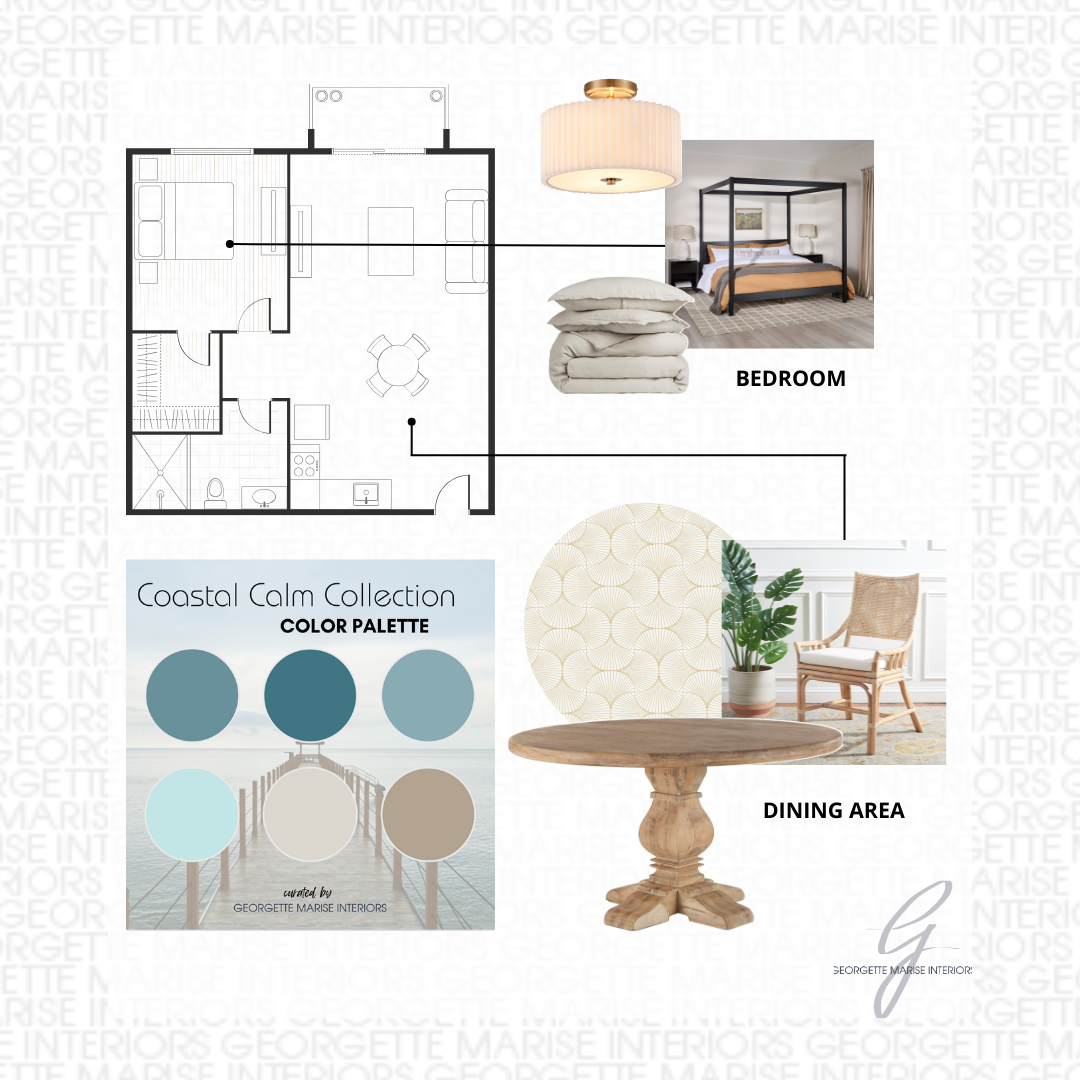
So... What Exactly Is Space Planning?
It’s the thoughtful art of arranging your furniture and elements in a way that supports your lifestyle, flows with your routines, and creates emotional ease in your home.
It’s not about symmetry or filling up corners.
It’s about purposeful placement — so your space actually works for you.
Now, let’s talk about what many homeowners try (and maybe you’ve done it too — no shame here!):
You cut out paper shapes to “map out” your furniture on the floor.
You trace your pieces on the rug with painter’s tape.
You hop onto free online layout tools and drag furniture icons around.
It feels productive — and it’s a great first step — but without a true understanding of scale and proportion, those methods often fall short.
That’s the problem:
You might be placing things based on measurements…
but not based on how they’ll feel, flow, and function in real life.

Designers are trained to look beyond the obvious and consider how pieces interact in a space — not just how they fit.
Without that eye for proportion, even a “technically correct” layout can still feel… wrong.
This Is Why I Created the Virtual Design Group Workshop
I know the emotional toll of living in a space that just doesn’t fit.
And I also know that once you learn the principles of space planning, things start to shift.
You gain confidence. You stop second-guessing. You feel empowered to make your home work for you — not the other way around.
That’s why I created the Virtual Design Group Workshop — a 3-session design experience that walks you through transforming one room in your home with intention and clarity.
And to jumpstart your transformation, every workshop participant will receive my free eGuide: Mastering Space Planning Like an Interior Designer

Free space planning eguide when you register for design workshop
This powerful guide gives you the insider insight you need to start seeing your room differently — not just where things go, but why they go there.
If You’re Ready to Stop the Guessing Game…
…and finally feel at peace in your space…
…and design a room that actually supports your life…
…and stop wasting time (and money) on things that just don’t work...
Then this workshop was created for you.
We begin Wednesday, April 16th at 1:00 PM ET — and trust me, you don’t want to miss it.
[Click here to claim your seat + free eGuide]
Let’s plan your space — and your peace — together.

From Chaos to Comfort: Making Your New House Feel Like Home

The boxes are finally unpacked. The moving trucks are gone. The echoes of an empty house have faded, replaced by the sounds of everyday life.
But something still doesn’t feel quite right.
Your new house is filled with familiar pieces—your old sofa, your dining table, the same rugs and decor—but instead of feeling like home, it feels… disconnected.
The furniture that worked perfectly in your last home suddenly feels awkward. The walls are bare. The space doesn’t quite flow the way you imagined.
You keep rearranging, swapping things in and out, but nothing seems to click.
Sound familiar? This is the moment when frustration sets in.
But here’s the good news: You’re closer to feeling at home than you think.
The Shift from “Just Moved In” to “Finally Feels Like Home”
Decorating after a move isn’t just about filling a space with things. It’s about creating a feeling.
If you read my last post, Feeling Stuck? How to Finally Start Decorating Your Home with Confidence, we talked about overcoming the fear of making design mistakes and finding your starting point.
Now, it’s time to move from indecision to transformation.
Let’s walk through how you can take your space from unfinished to effortlessly yours.
Step 1: Reimagine Your Old Furniture in a New Way
It’s tempting to place everything exactly how it was in your old home—but that doesn’t always work in a new space.
Instead, think about your furniture with fresh eyes.

That sectional that fit perfectly in your last living room? Maybe it works better as two separate pieces now.
That dining table that once felt too big? Try adding a banquette or using a bench on one side for a more open feel.
That statement chair you loved? Maybe it deserves a new home in your bedroom or entryway instead.
Your old furniture isn’t wrong—it just needs a new role.
Step 2: Layer in What’s Missing
Once you’ve placed your key pieces, your home might still feel a little off. That’s because the magic is in the details.
If your space feels cold or empty, add warmth with rugs, curtains, and textured throws.
If it feels disjointed, create flow with a consistent color palette across rooms.
If it lacks personality, bring in artwork, books, or decor that reflects you.

Small, intentional layers bridge the gap between “just moved in” and “finally home.”
Step 3: Design for How You Actually Live
Your new home is a fresh start. So, instead of defaulting to how you used your space before, ask yourself:
What do I need this home to do for me now?
Need a cozy retreat? Prioritize soft lighting, plush seating, and warm tones.
Working from home now? Make sure your office space is inspiring and functional.
Have more space than before? Create zones—reading nooks, an entertaining area, or a workout space.
When your home supports the way you actually live, it instantly feels more like home.
Your New Home Is a Blank Canvas—Let’s Paint Your Story
The key to making your new home feel like you isn’t about rushing to fill every empty space.
It’s about intentionally creating a home that fits your life today—with pieces you love, in a way that feels natural.
And if you’re ready for even more hands-on help to bring it all together…
Join My Virtual Design Group Workshop!
I’m launching a 6-week Virtual Design Group Workshop to help a small group of homeowners transform a single room in their home.
You’ll get:
• Three live sessions where we design your space together
• Step-by-step guidance to make your home feel connected
• Personalized feedback so you can make confident design choices

Want first access when doors open? Join the waitlist now! Your new home is so close to feeling like yours. Let’s make it happen—together.

Feeling Stuck? How to Finally Start Decorating Your Home with Confidence
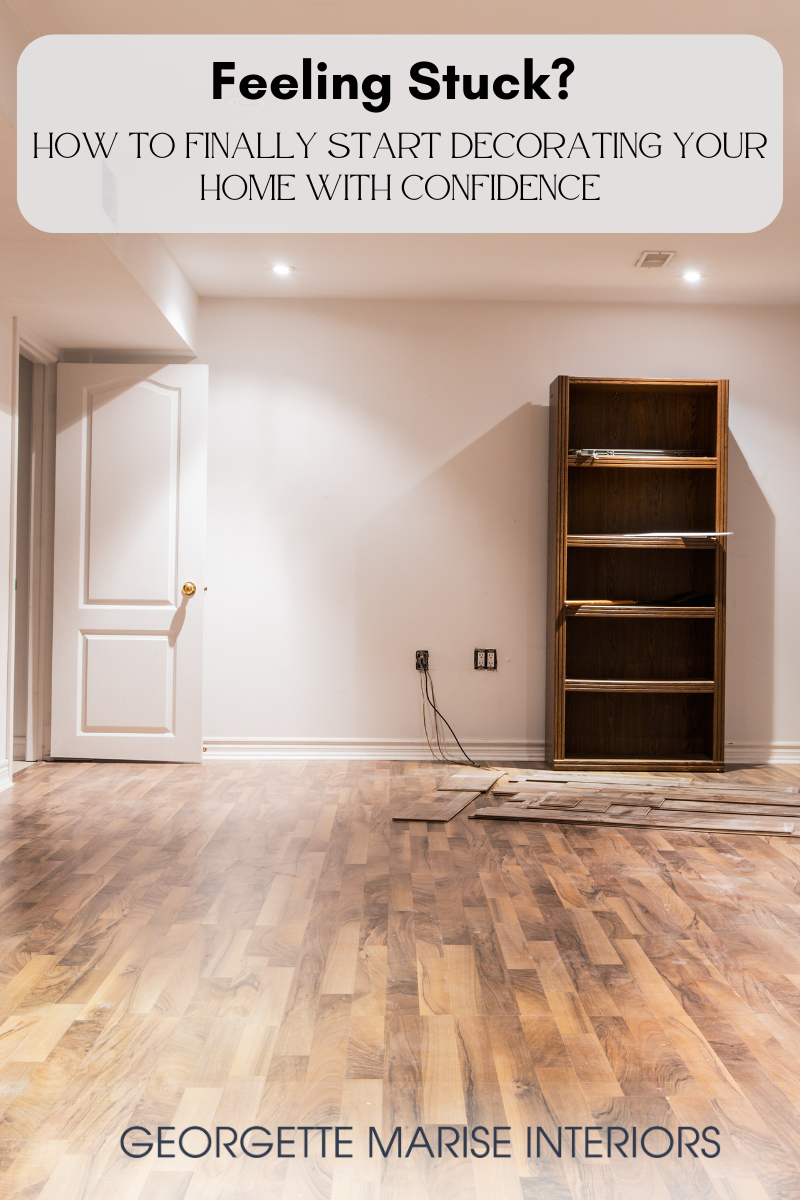
You finally have a place to call home. Maybe it’s your first apartment, a new house, or just a fresh start. You’re ready to make it yours—a space that feels comfortable, stylish, and uniquely you.
But instead of excitement, you feel something else creeping in…
Overwhelm.
You stand in the middle of the empty room, staring at the blank walls and mismatched furniture, asking yourself:
Where do I even begin?
What if I pick the wrong colors?
What if my space never comes together the way I imagined?
So, you wait.
You scroll through Pinterest, save dozens of TikToks, and keep telling yourself that someday you’ll figure it out. But weeks—maybe even months—go by, and your home still feels incomplete.
Sound familiar? You’re not alone.
Why Decorating Feels So Hard
The truth is, designing a home isn’t just about picking paint colors or arranging furniture. It’s about creating a feeling.
Most people get stuck because they’re afraid of making the wrong choice. They don’t want to waste money on furniture they’ll regret. They don’t want to commit to a color that feels too bold. So, they freeze.
But here’s what I want you to know: Your home doesn’t have to be perfect to feel like home.
And the best part? You don’t need to have it all figured out to start.
The Simple First Step to Transforming Your Home
Instead of trying to plan every detail at once, take a step back and ask yourself:
How do I want my home to feel?
Cozy and warm?
Bright and airy?
Bold and energetic?

Cozy and warm

bright and airy

bold and energetic
Once you define the feeling, everything else becomes easier.
Now, instead of trying to decorate your entire home at once, start with just one decision.
Maybe it’s…
A statement piece—like a caramel-colored sofa that makes your space feel inviting.
A paint color—a calming sage green or a bold navy blue that sets the mood.
Lighting and texture—adding warm lamps, plush rugs, or textured curtains to bring depth.
One choice will lead to the next. And before you know it, your space will start feeling intentional, welcoming, and uniquely yours.
You Don’t Have to Do This Alone
If you’ve been struggling with where to start, I have something special for you.
I’ve created a Virtual Design Group Workshop designed specifically for women who want a beautiful home but feel overwhelmed by the process.
This 6-week workshop will walk you through every step of designing one room in your home—from choosing colors and furniture to creating a space that truly reflects you.
Want first access when enrollment opens?
Join the waitlist today and be the first to know when doors open!
Your dream home is waiting. Let’s create it together.

Incorporating Culture Into Your Home

There is a beautiful movement happening right now. HillmanTok has ignited a collective desire among people of color to reconnect with Black history in art and design. Whether it’s appreciating art from Black countries across the world or proudly incorporating Black influence into design, the narrative is shifting. Unfortunately, this hasn’t always been the case. Now, we're embracing our stories in new ways—through our homes, our art, and the personal touches we bring to our spaces.
For me, incorporating my culture into my home is deeply personal. It’s not just about decorating—it’s about storytelling, honoring my heritage, and creating a space that speaks to my family's history and values. My gallery wall in our dining room is one of my most intentional design choices, each piece carefully selected to reflect our history, our faith, and our love for one another.
The Story Behind My Gallery Wall
When I envisioned my gallery wall, I knew I wanted a muted, monochromatic palette with neutral hues, but more importantly, I wanted it to reflect my roots. I started with the largest piece—a framed printed fabric from Mali. While it’s the least personal piece in my collection, I loved the aesthetic of it. I love the soft, hand-brushed geometric lines on the linen-textured fabric. Its presence anchors the entire wall, much like the foundation of my cultural heritage.

gallery wall in Dining Room
Next, I wanted to incorporate pieces from my late mother’s wall decor collection. My mother was a devoted Christian and always had one particular framed scripture hung on our wall growing up. Acts 4:12, has traveled with us from home to home—from New York to Boston to New Jersey. When she passed, I inherited it. The simple faded off-white print, framed in a worn red-tone stained wooden frame, holds profound sentimental value. I never truly appreciated it as I do now—it’s a reminder of my mother’s unwavering faith and presence in my life.
But this gallery wall isn’t just about my past—it’s about my entire family. My husband’s contribution comes in the form of a black-and-white silhouette of an old oak tree, reminiscent of the trees near his grandparents’ home. And for my children, I wanted to include something uniquely theirs. My daughter loves creating digital art, so I had her trace and sketch my grandparents’ farmhouse in Haiti on her iPad. I printed it in black and white and placed it in a warm wooden frame. Now, it’s a treasured part of our home.

Le Neg Marron (in Haitian Creole, Nèg Mawon) Photo taken during our travels to The Ogier-Fombrun Museum
One of the most powerful pieces on this wall is a silhouette of Le Neg Marron (in Haitian Creole, Nèg Mawon), a bronze statue of a runaway slave, shackles broken, machete in hand. This powerful symbol represents Haiti’s strength and resilience. In 1804, enslaved Haitians defeated Napoleon’s army, making Haiti the first and only nation founded by a successful slave revolution. At the time, 70% of the enslaved population had been born as free men and women in Africa. The world feared Haiti’s victory, and as a result, it was politically marginalized for centuries. Nèg Mawon stands as a beacon of that struggle—defiant, unafraid, blowing a conch to call others to freedom.
Above Nèg Mawon, I placed an old-world map of the Caribbean. Maybe it’s because both of my parents were born in the Caribbean, or maybe it’s my love for its rhythmic beats, vibrant cultures, and mouth-watering food—but the Caribbean holds a special place in my heart. I’ve visited many islands—Haiti, Barbados, The Bahamas, Puerto Rico, St. Croix—and I’m still not done exploring. I intentionally selected a map of the Caribbean before Haiti and the Dominican Republic became separate nations, showing the island of Hispaniola as a whole.
Designing a Space That Reflects You
Your culture and heritage can be expressed in so many ways, and it may look different for everyone. Maybe it's a gallery wall filled with meaningful pieces, a collection of photos from your travels, or souvenirs displayed specially. It could be a beautifully woven tapestry turned into artwork, an heirloom rug passed down through generations, or a personal library showcasing books that have shaped your worldview. Perhaps it's a specific color palette that evokes nostalgia, accent pillows with diverse prints and textures, or even a themed room that tells a unique story. The beauty of design is that it allows us to celebrate our identity in a deeply personal way.
A well-designed space is more than just aesthetically pleasing—it should evoke emotion, create comfort, and spark conversation.
Your home should tell your story. Every piece should reflect who you are, what you value, and the legacy you want to honor. A well-designed space is more than just aesthetically pleasing—it should evoke emotion, create comfort, and spark conversation.
If you’ve ever wanted to incorporate your heritage, faith, or personal history into your home design but weren’t sure where to start, I have a solution for you.
Join the waitlist for my Virtual Design Group Workshop—an intimate 6-week transformative experience with 3 guided virtual sessions where I work closely with a select group to help them bring personality and cultural depth into their homes. In this workshop, I'll guide you on placement, balance, and how to seamlessly blend your heritage into your design. Spaces are limited, so secure your spot today!

7 Ways to Create a Relaxing Retreat at Home with Spa-Inspired Decor

spa styled vanity bowl
Valentine’s Day is the perfect opportunity to indulge in a little self-care and create a spa-like retreat in your home. Whether celebrating with a partner or treating yourself, a well-designed home spa experience can bring relaxation and elegance into your space. Here are some easy decor-focused tips to transform your home into a tranquil oasis for a truly relaxing Valentine’s Day.
1. Set the Mood with Soft, Ambient Lighting
Lighting is essential in creating a spa-like atmosphere. Swap out harsh overhead lighting for warm, dimmable lamps or wall sconces. Arrange scented or flameless LED candles around your space to provide a soft, flickering glow that enhances relaxation. Consider adding Himalayan salt lamps for a warm, soothing ambiance.
2. Incorporate Natural Elements
Bringing in natural materials helps create a sense of peace and balance. Decorate with bamboo trays, woven baskets, and ceramic or stone accessories. Add a small indoor water fountain for a calming sound and visual appeal. Display fresh flowers or eucalyptus branches in vases to infuse your space with organic beauty.

indoor water fountain feature with wall sconces and faux stone
3. Choose a Serene Color Palette
Stick to a neutral, spa-inspired color scheme of soft cremes, beiges, light grays, and muted blues or greens. These tones help promote a sense of calm. If you want to introduce a romantic touch for Valentine’s Day, add touches of blush pink or warm terracotta accents through pillows, throws, or fresh flowers.

shop our curated color palettes
4. Create a Luxurious Bath or Shower Space
Transform your bathroom into a serene retreat by incorporating luxurious spa elements. A stunning grasscloth textured wallpaper adds warmth and texture, creating a natural and calming backdrop. In one of our bathroom projects, we incorporated a wood grain glass raised sink bowl paired with a bronze bamboo-shaped single-hole faucet to bring a refined yet organic touch to the space. Enhance the ambiance of your space with soft lighting, a sleek vanity tray for essentials, and a small vase of fresh flowers or eucalyptus to infuse a subtle, refreshing fragrance. Thoughtful details like rolled hand towels, artisanal soaps, and a scented candle can complete the spa-like experience, making every visit feel indulgent and relaxing.

spa-like bathroom with grasscloth wallpaper Interior Design: Georgette Marise Interiors
5. Style a Relaxing Lounge Area
Set up a cozy retreat area with a lounge chair or daybed draped with soft throws. Layer different textures in the room like velvet curtains, lush pillows, and faux fur throws for an inviting and luxurious feel. Add an étagère with candles, a small stack of books, framed photos, and a cup of herbal tea to complete the experience. For an even elevated look add wall sconces to use as accent lighting.
6. Bring in Calming Scents
Aromatherapy is a must for a spa aesthetic. Use reed diffusers, scented candles, or essential oil room sprays to fill your space with calming fragrances like lavender, bergamot, chamomile, or sandalwood. Choose stylish diffusers that blend seamlessly with your decor.

lux noir luxury scented candles
7. Elevate Your Space with Spa-Worthy Accessories
Think of the little details that make a spa feel luxurious. Add rolled towels in an open basket, display a collection of artisanal soaps, and place a decorative tray with skincare essentials on your vanity. A small bowl of rose petals or bath bombs adds a romantic touch while enhancing the aesthetic.

small bouquet of red roses arranged by Sabine
Make your home spa retreat a true escape by setting aside distractions. Put away your phone, turn on soothing background music, and immerse yourself in the relaxing environment you’ve created.
Transform Your Home with Thoughtful Decor
Creating a spa-inspired retreat at home is all about incorporating soft textures, soothing colors, and elegant accessories. Whether you’re planning a self-care night or a romantic Valentine’s celebration, these decor tips will help turn your home into a serene getaway.

Dear Home: An Interior Designer's Reflection on the Meaning of Home

Lately, I’ve been reflecting on the concept of home—what it truly means. With so much devastation happening across the country and the world, especially in the wake of natural disasters and personal tragedies, the idea of home feels more fragile and precious than ever. I’ve had clients who’ve experienced unimaginable loss—losing their homes to fires or floods. And when you hear these stories, it makes you pause and wonder: What really makes a home?
Is it the four walls? The beautifully designed spaces? The curated furniture and décor? Or is it something deeper, something that can’t be destroyed or replaced?

When a house is lost, it’s not just the physical things that are mourned—the paintings, furniture, and objects we once touched and used daily. It’s the memories, the small, everyday moments lived within those walls. It’s the way the light streamed through the kitchen window during breakfast. It’s the laughter that echoed during family movie nights. It’s the quiet peace of curling up on the sofa after a long day.
At its core, home isn’t just a place—it’s a feeling. It’s the heart and soul created by the people who live in it and the memories they make. It’s the joy, the comfort, and even the challenges that shape our everyday lives. This is why, when a home is lost, it feels so devastating—it’s not just about losing things; it’s about losing the place where life was lived and love was shared.

Interior Design: Georgette Marise Interiors

Design Board of Serene Getaways Beach Home
As an interior designer, my passion is to help people create spaces that reflect their lives—spaces that are functional, beautiful, and full of heart. Yes, a well-designed home can evoke emotions of peace and joy, but what truly makes it come alive is the life lived within it. A showroom may be perfectly arranged, but it isn’t a home until someone brings it to life through the rhythm of their daily moments—the messiness, the laughter, the warmth of human connection.
This reflection has reminded me of how much we all have to be grateful for. Life is unpredictable, and none of us knows what tomorrow will bring. But today, we have the opportunity to appreciate the homes we have—not because they’re perfect, but because they are ours.
I want to encourage all of us to savor the everyday moments that make our homes special. It’s not about having a picture-perfect space. It’s about creating memories, cherishing time with loved ones, and finding joy in the little things. Whether your home is filled with laughter or quiet moments of solitude, it’s those experiences that truly make a house a home.
So, take a moment to pause, look around, and feel gratitude for the life you’re building within your four walls. And if you ever find yourself overwhelmed by the idea of having the “perfect” home, remember: it’s not about perfection—it’s about heart. It’s about creating a space where love, laughter, and life can flourish.
And if you’re ready to create a home that brings out the best in you—a space where ease, comfort, and beauty come together—I can help. Whether it’s designing a multifunctional space that serves your family’s needs or adding thoughtful touches that evoke calm and joy, I’m here to guide you. Together, we can craft a home that feels like you—a place where your life, your heart, and your memories can thrive.
Because creating a home isn’t just about design—it’s about creating a life you love. Let’s talk.
Book your 15-minute Complimentary Design Call with me today >> CLICK HERE


Declutter Your Home In a Way That Feels Manageable and Not Overwhelming

You’ve tried before. You block out a weekend to declutter, roll up your sleeves, and dive in with the best intentions. Hours later, you find yourself knee-deep in piles of clothes, old papers, and forgotten knick-knacks. Overwhelmed and exhausted, you give up halfway, promising yourself you’ll try again another time. Sound familiar?
The problem isn’t your lack of effort—it’s the approach.
Most people dive headfirst into decluttering without a plan, which quickly leads to frustration. But what if there was a simpler, more manageable way to declutter your home—one that left you feeling calm and accomplished instead of stressed and stuck?
Step Into the Final Picture: A Calm, Organized Home
Picture this: You walk into your home, and everything has a place. The kitchen countertops are clear, your living room feels spacious, and your bedroom is a serene retreat at the end of a long day. No more clutter-induced stress. Just a calm, inviting space that brings you joy.

Interior Design: Georgette Marise Interiors
This isn’t just a dream. It’s possible to create a home that feels organized and peaceful—and it doesn’t have to be overwhelming.
Stress-Free Decluttering Plan in 4 Simple Steps
Here’s a simple plan that breaks down decluttering into manageable steps so you can make progress without feeling overwhelmed.
1. Start Small, Win Big. Begin with a single drawer, a small shelf, or a corner of a room. Completing a small area gives you a quick win, boosting your motivation to keep going. I personally started with my kitchen pantry, which had become a chaotic mix of expired goods and random snacks. Clearing it out not only created physical space but also brought a sense of control and relief.
Some other small areas I tackled in my own home include:
The junk drawer: It was bringing me so much frustration every time I opened it and struggled to find a pen. Decluttering it made such a difference in my daily life.
Bins in the coat closet: I cleared out the existing bins to see exactly what we had, making it easier to grab what we actually needed.
The main pile on the kitchen table: This pile always seemed to reappear, but sorting through it and creating a system helped keep the table clear.
Books in the living room bookcase: Sorting through old books and donating those we no longer read opened up space and made the area feel lighter.
Clothes in the bedroom closet: I tackled this while preparing for spring cleaning, and it felt great to finally let go of clothes that didn’t fit or bring joy.
Cleaning products under the kitchen sink: Decluttering this area made it easier to find what I needed without knocking things over.
Towels and products in the linen closet: Clearing out old or worn towels and organizing the products created a much more serene experience every time I opened the door.
Each of these areas, though small, carried an emotional weight—whether it was frustration, stress, or guilt from seeing clutter pile up. Tackling them one by one brought a sense of accomplishment and hope. Remember, decluttering isn’t a race; it’s a journey.
Pro tip: Set a timer for 15-20 minutes. Commit to decluttering during that time and stop when it’s up. Short, focused sessions help prevent burnout.
2. Focus on Categories, Not Rooms. Rather than tackling an entire room, sort by category. Start with clothes in your bedroom, then books on the bookcases, papers on your desk, and so on. This method helps you see how much you own in each category and make better decisions about what to keep.
Pro tip: Gather all items in one category from different rooms and place them in a single spot. Seeing the volume at once makes it easier to let go of things you no longer need.
3. Use the "Joy Check" Method. Ask yourself: Does this item bring me joy or serve a clear purpose in my life? When was the last time I used this? It may be time to let it go. Be honest with yourself. Holding onto items out of guilt or obligation only adds to your mental clutter.
Pro tip: Have three bins ready—Keep, Donate, and Discard. As you sort, place items in the appropriate bin to maintain momentum.
4. Create Simple Systems to Maintain Order. Decluttering is just the first step. To keep your home organized, you’ll need simple systems. Assign a home for everything and adopt a “one in, one out” rule: for every new item you bring in, let go of one.
Pro tip: Label storage bins and use clear containers for frequently used items so everything is easy to find and put away.

Your Next Steps: Turn Decluttering Into a Lifestyle
Decluttering isn’t a one-time event; it’s a lifestyle shift that brings lasting calm to your home, mind, and spirit. If you’re ready to stop feeling overwhelmed and start creating the peaceful home you deserve, join me this Saturday at my Decluttering Workshop. I’ll be co-hosting this workshop where we’ll cover how to declutter not just your home, but also your mind and spirit, so you can experience complete clarity and calm.
We’ll go deeper into this stress-free decluttering approach and cover how to:
Tackle common problem areas (like closets and kitchen counters) with ease.
Clear mental clutter and cultivate a peaceful mindset.
Use simple systems to maintain order.
You’ll leave with a clear, actionable plan and feel empowered to take control of your space.
Ready to Start Today?
For those who can’t attend the workshop or want an additional resource, my eBook From Chaos to Calm: Home Organization offers step-by-step guidance on decluttering and organizing every area of your home. It’s designed to help you create a space that feels as good as it looks—without the overwhelm.
Click here to grab your copy and take the first step toward a calm, clutter-free home.
Your dream home is closer than you think. Let’s make it a reality—one small step at a time.

Why Your Home Feels Like It’s Working Against You

As the new year begins, it’s time for fresh starts and bold resolutions. Many of us aim to make meaningful changes in our lives, whether it’s pursuing a new career, picking up a hobby, or simply spending more quality time with family. But too often, our homes don’t keep up with our evolving lives, leaving us feeling stuck, overwhelmed, and uninspired.
If you’ve ever thought, “This space just doesn’t work for me anymore,” you’re not alone. Perhaps you’re trying to navigate a major life transition like downsizing, launching a home business, or rediscovering your passion for art, music, or gaming. Maybe you dream of turning an unused space into a cozy reading nook, an efficient home office, or even a custom home theater for unforgettable family movie nights.
Whatever your goals, there’s one vital first step that makes all of this possible: decluttering.

cluttered home office
When your home feels disorganized, lacks functionality, or doesn’t reflect your personality, it’s often because it hasn’t been designed to support who you are today. Over time, our spaces can become weighed down by unused items, outdated furniture, and clutter that no longer serves a purpose. Instead of inspiring us, these things drain our energy and create a sense of chaos.
The good news? This isn’t a permanent problem. With intentional effort, you can transform your home into a place that not only reflects your unique style but also supports your goals and brings you peace of mind. And it all starts with decluttering.
The Benefits of Decluttering
Decluttering isn’t just about tossing out old items; it’s about making room for what truly matters. Here are just a few ways decluttering can set you up for success in the new year:
Increased Focus and Clarity: A clutter-free space clears mental fog, helping you concentrate on what’s truly important.
Enhanced Functionality: By removing what you don’t need, you create room for what you do—a dedicated crafting station, a minimalist home office, or a sleek home gym.
Improved Mood: A tidy home reduces stress and fosters a sense of calm and control.
Rediscovery of Space: That forgotten guest room or corner in the living room could become the space of your dreams when it’s free from clutter.
A Fresh Start: Decluttering is a symbolic act of letting go of the past and welcoming the future.
How to Get Started
Taking the first step can feel daunting, but remember: decluttering doesn’t have to happen all at once. Start small by focusing on one drawer, shelf, or corner. Consider items you haven’t used in the past year, and ask yourself if they still align with your goals and lifestyle. By making these small changes, you’ll build momentum and begin to see your space transform.
But you don’t have to do it alone. If you’re ready to take the guesswork out of decluttering and want expert guidance to create a space that truly supports your life, join me for my Clear the Clutter Workshop, where I will be co-hosting alongside other professionals who will guide us in clearing the clutter of our minds, helping you align your physical and mental spaces for a fresh start. .

Clear the Clutter Workshop: In-Person and Virtual
Start your journey to a functional, organized, and inspiring home by attending this workshop:
Date: Saturday, January 11th
Time: 3:00 PM – 5:00 PM
Location: Attend in-person or virtually—your choice!
During this workshop, we’ll cover practical strategies to:
Declutter your space with ease.
Clear mental blocks holding you back.
Simplify your home with space-saving solutions.
Create a step-by-step plan to transform your home into a haven.
This is more than just a workshop—it’s the first step toward reclaiming your space and your peace of mind. Don’t miss this opportunity to start the new year with clarity and purpose.

clear the Clutter Workshop
CLICK HERE to register for the Clear the Clutter Workshop today. Let’s make 2025 the year your home evolves with you. Together, we’ll transform your space into a sanctuary where you can thrive!
What will you declutter first? Share your plans and join the journey to a more organized and inspired life! Don’t miss this opportunity to start the new year with clarity and purpose.