Why Your Home Should Make You Feel Something and How to Design for It
She spends her days holding space for other people. Listening. Regulating. Helping them feel safe enough to fall apart a little and then put themselves back together. And when I asked her what she wanted from her own home, she didn't hesitate.
"I need somewhere that does that for me."
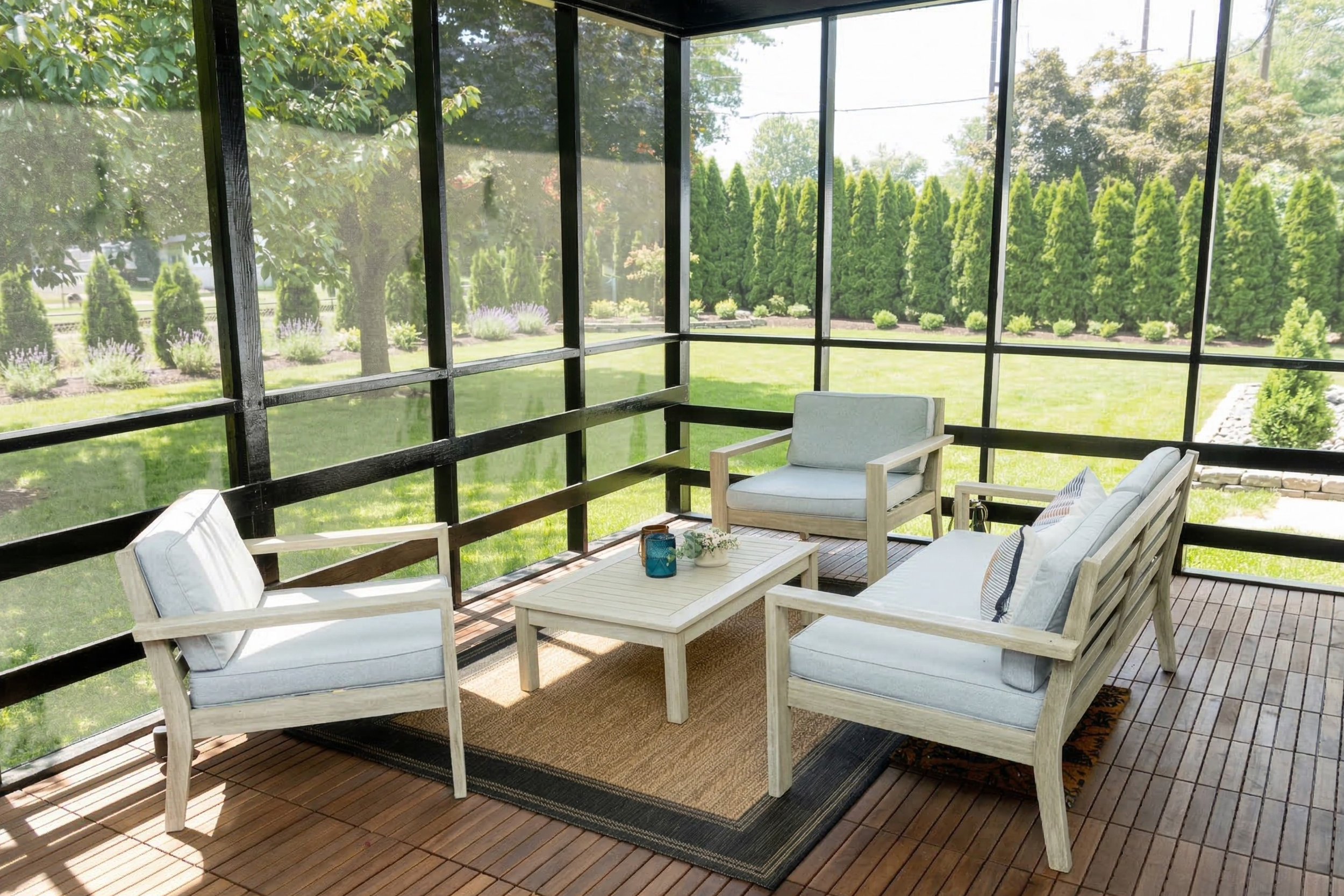
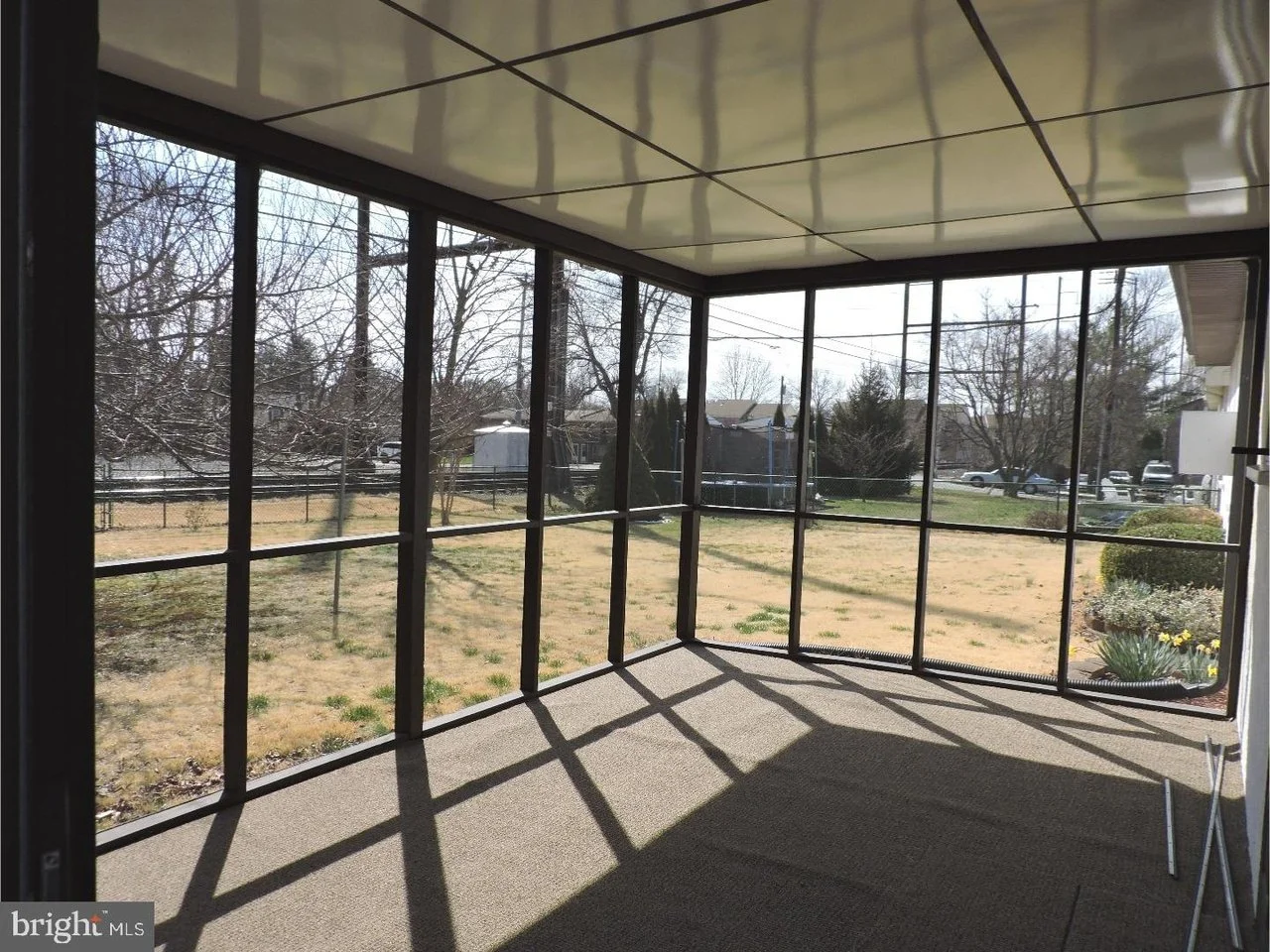
She's a therapist. And like so many of the people I work with who give enormously in their professional lives, she had almost nothing in her home that gave back to her. Her screened sun room sat mostly unused and damaged from a house fire - bare, cold, empty of intention. It had good bones and incredible natural light. But it felt like a room that didn't know what it was for.
We changed that. And what happened next is exactly why I do this work.
Pretty is easy. Feeling is the work.
Every client I work with starts by telling me what they want to see. The aesthetic, the palette, the style. But somewhere in our first real conversation, they say the thing that actually matters. "I want to feel calm when I come home." Or: "I want a space that's just mine." Or simply: "I want to feel something here."
Those aren't decorating requests. They're a brief for how a room needs to function on a sensory and emotional level. And that is a completely different kind of design.
I always say: a well-designed space uses all five senses. Not as a gimmick but because that's how your body experiences a room. Your nervous system is collecting data from the moment you cross the threshold. The smell in the air. The quality of light. The sound - whether it bounces off hard surfaces and keeps you subtly alert, or gets absorbed into softness and tells your body it's safe to exhale. The texture under your hands and feet. The visual weight of what surrounds you.
When those inputs are working together intentionally, a room can make you feel calm, restored, held, or alive without you being able to explain exactly why. When they're random or accidental, a room quietly fights you. And most people spend years in that quiet fight, assuming the problem is them.
It is almost never them.
The therapist who needed her own retreat
When I walked through her home, the sun room told the whole story. The bones were beautiful screens on three sides, natural light pouring in from every direction, a direct sightline to the backyard where her kids played. But the space was empty in the way that unused rooms feel empty. Not just of furniture. Of intention.
She knew what she wanted it to feel like. Natural. Calm. Nothing busy, nothing competing for attention. A space large enough to breathe in, furnished with pieces that felt comfortable without being casual — structured enough to define it as a real sitting area, soft enough to actually rest in. She wanted the outdoors to be the backdrop, not something to block out.
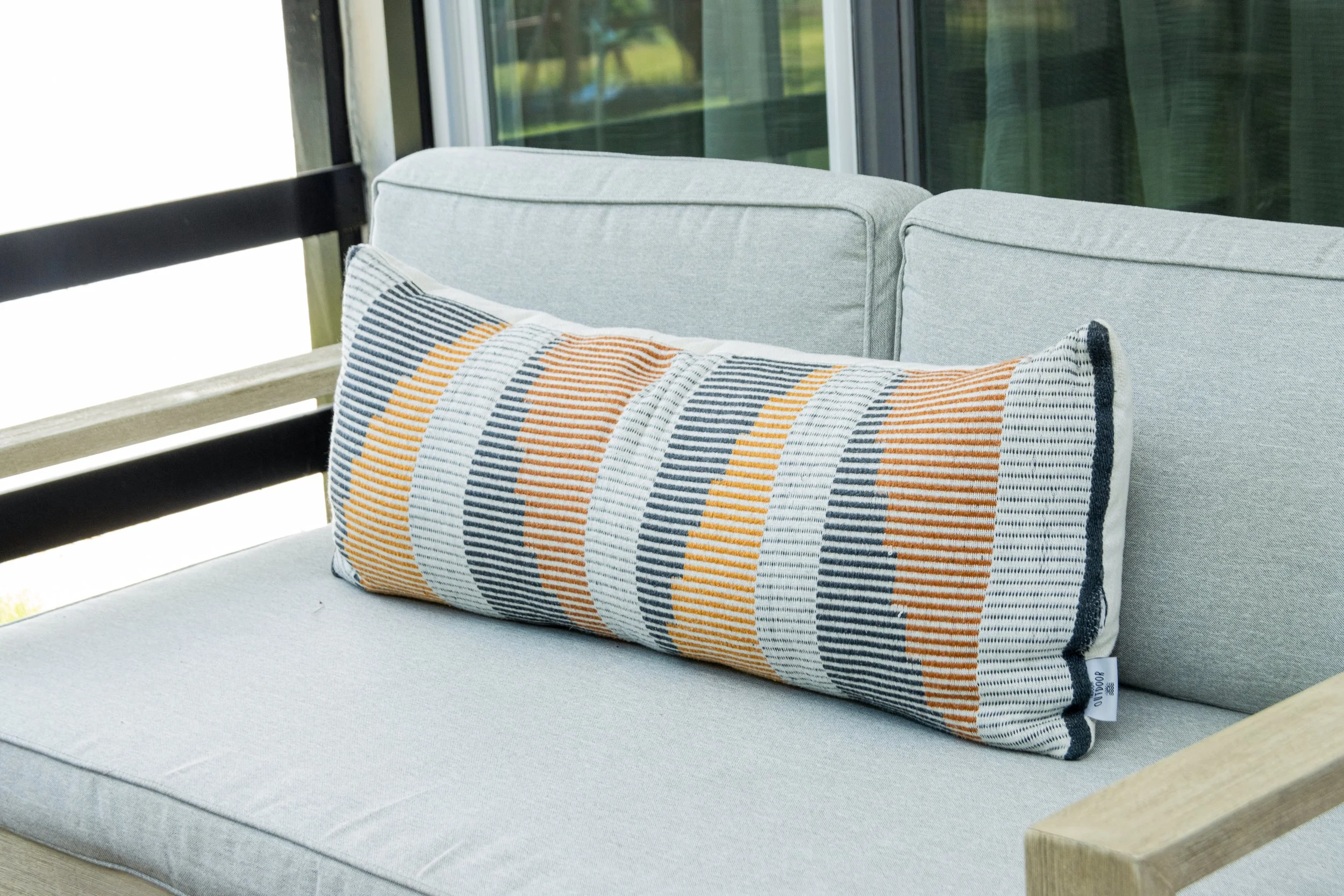
That brief guided every decision. Weathered wood furniture with clean, generous lines that complement the natural light rather than fight it. Linen cushions in soft, quiet tones that don't interrupt the green beyond the screens. A jute rug that grounds the seating area and brings another layer of natural texture underfoot. Simple, intentional styling… nothing busy, nothing decorative for its own sake.
The result is a room that knows exactly what it's for.
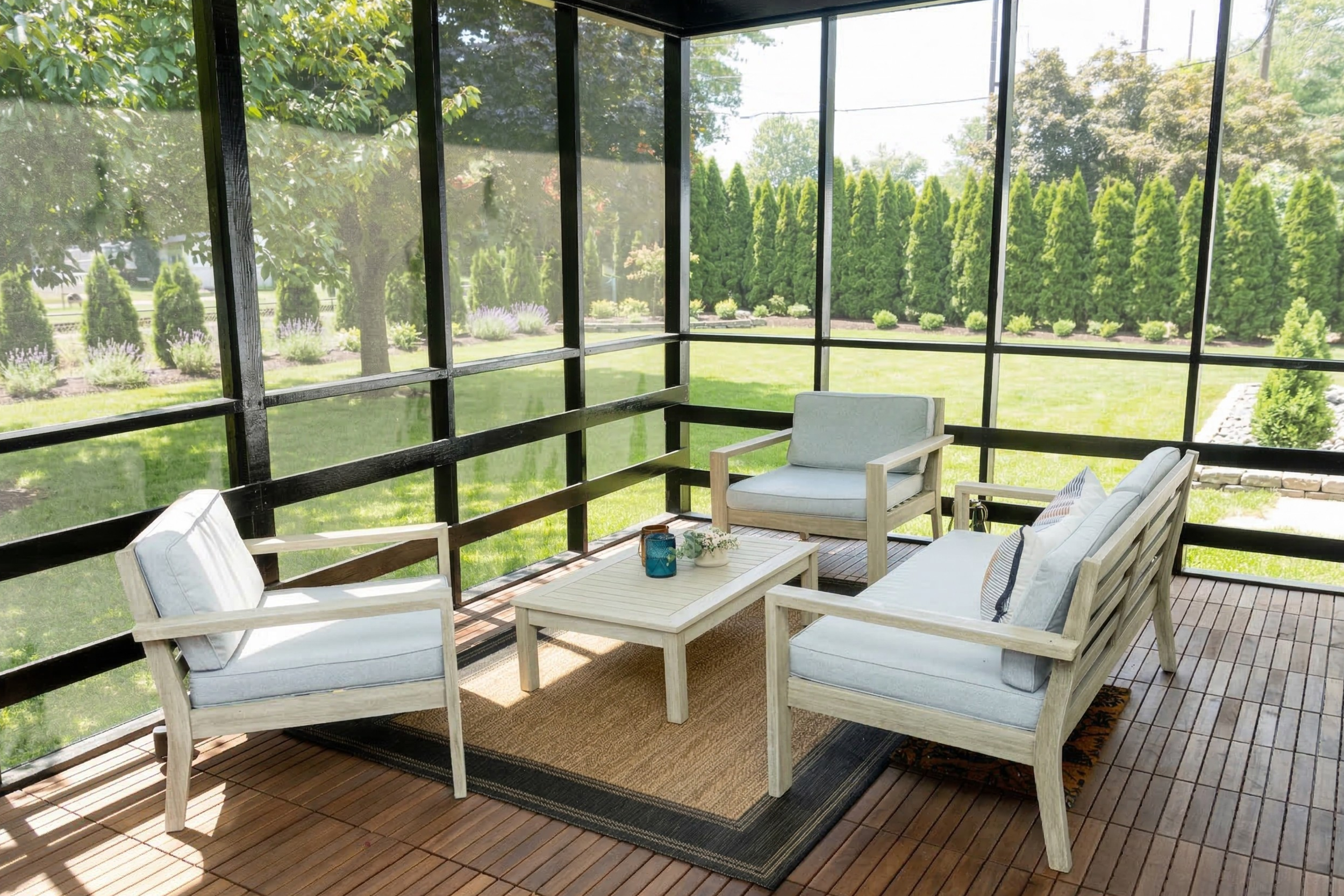
Now she takes her client calls from that room when she works from home. She sits in it on weekend mornings with her coffee while the kids play in the yard. It's where she decompresses between sessions. It's where she exhales.
"This is my favorite room in the house," she told me. Coming from a therapist, someone who understands better than most what it means to restore yourself. That meant everything.
What this means for your home
There's a version of design that gets everything technically right and still misses the point entirely. The finishes, the square footage, the price tag - none of that is what makes a home feel like one. I've walked into houses finished with materials most people only see in magazines and felt absolutely nothing. And I've walked into modest spaces that stopped me completely because someone had designed them with real intention around how they needed to feel.
That's the difference I care about. Not the cost of the finish. The feeling when you walk in.
Before you think about a single piece of furniture or a paint color, ask yourself this: what do I want to feel in this room? Not what do I want it to look like. How do I want it to feel at the end of a long day? What does this space need to do for me?
Once you're clear on the feeling, every decision follows. The materials, the scale, the lighting, the texture, the scent all of it becomes intentional rather than accidental. That's the shift from designing a room that photographs beautifully to designing a room that changes how you actually live inside it.
Your home should be giving back to you. Every single day. That's not a luxury, it's the whole point.

→ Ready to design a space that actually works for you? Let's start the conversation. Begin your Design Path here.