
Black Architects and Interior Designers Who Inspire Intentional Homes Today
During Black History Month, we often talk about supporting Black-owned businesses.
And that matters.
But this year, I want to talk about something deeper.
As a Haitian American designer, the daughter of a Haitian mother and Cuban father, I carry legacy in everything I create. I think about resilience. Craftsmanship. Hospitality. Story.
And I think about how Black architects and interior designers have shaped the way we experience home in America, often without recognition.
Because here’s the truth:
Our homes, the way they function, feel, and flow have been influenced by Black brilliance for generations.
Because design is more than aesthetics.
It’s about effective problem solving.
It’s about storytelling without words.
And as a homeowner, especially as a woman shaping the emotional tone of your home, if your home doesn’t feel aligned right now, that conversation matters.
Why So Many Women Feel Disconnected From Their Homes
Right now, many women tell me
My house doesn’t feel personal.
I’ve saved a thousand Pinterest photos, but I’m still stuck.
I want calm… but I don’t know how to create it.
The real problem isn’t a lack of inspiration.
It’s a disconnection.
And that’s where history quietly guides us.
Let me show you what I mean.
Paul Revere Williams: Designing Luxury That Felt Livable
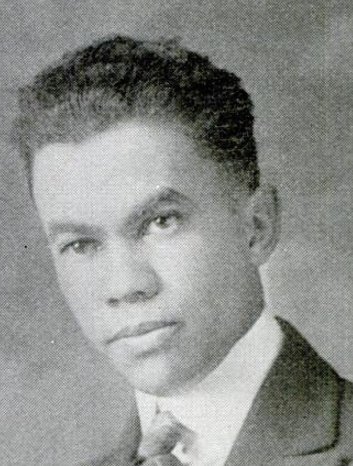
Photo Source: The Crisis, Vol 14 No 2, June 1917 (page 83)
The more I learn about Paul R. Williams, the more inspired I become.
Paul R. Williams was one of the most influential architects in American history, designing over 3000 buildings and homes in the Los Angles area. He was the first African American member of the AIA (American Institute of Architects) in 1923.

Blackburn Residence, Paul R. Williams, Architect 1927
Source: MichaelJLocke
He didn’t design for just one type of client. He designed affordable housing for everyday families and he also designed for Hollywood icons like Frank Sinatra, Lon Chaney, Lucille Ball and Desi Arnaz to name a few. He helped shape the elegance of Los Angeles itself, including work on the legendary Beverly Hills Hotel, even contributing to its iconic signature identity.
His range alone is extraordinary.
But what moves me most is this:
During segregation, many white clients refused to sit beside him. So he mastered drawing upside down across the table, sketching detailed architectural plans while facing them.
The discipline.
The composure.
The excellence.
He didn’t allow exclusion to limit his excellence, he led with charm, class, and grace.
And here’s why that matters to you as a homeowner.
Paul R. Williams understood that design is not about status. It’s about experience.
Whether he was designing a modest home or a grand estate, his spaces felt balanced, elegant, and welcoming. They were elevated but livable.
That is what I mean when I talk about approachable luxury.
Not excess.
Not intimidation.
Not rooms you’re afraid to sit in.
And as women carrying full lives - careers, children, marriages, aging parents, dreams, responsibilities - we don’t need homes that perform.
We need homes that restore.
We need rooms that hold us with the same level of intention and care Paul R. Williams brought to every drawing - even when the world made it harder.
Luxury should feel like walking into a space that understands you.
Paul R. Williams designed with that level of care even when the world made it harder.
And that kind of intention is timeless.
Norma Merrick Sklarek: Structure Creates Peace
Norma Merrick Sklarek was the first Black woman licensed as an architect in both New York and California. She helped execute large-scale projects like the Pacific Design Center and the U.S. Embassy in Tokyo, complex buildings that required precision and mastery.
She was known not for flash, but for discipline.
For making sure bold ideas could actually stand.
We naturally gravitate toward the visible elements first…
the sofa that makes a statement.
the paint color that feel fresh.
They shape the aesthetic and bring personality.
But it’s the invisible decisions - spatial planning, layout, proportion, function, and storage that determines whether a room truly supports you.
As women, we often carry the invisible load of our homes. If the systems don’t work, we feel it first.
Norma’s legacy reminds me of something essential:
Calm isn’t accidental.
It’s engineered.
A peaceful home begins with thoughtful layout, intentional furniture placement, and functionality that supports your real life.
Beauty matters.
But structure sustains it.
Sheila Bridges: Cultural Storytelling Through Interior Design
Sheila Bridges is one of today’s most influential interior designers.
She took the traditional French toile pattern, long associated with European pastoral scenes, and reimagined it through the lens of Black life and culture.
She didn’t just design wallpaper.
She reclaimed narrative.
That kind of confidence in storytelling through interiors is powerful.
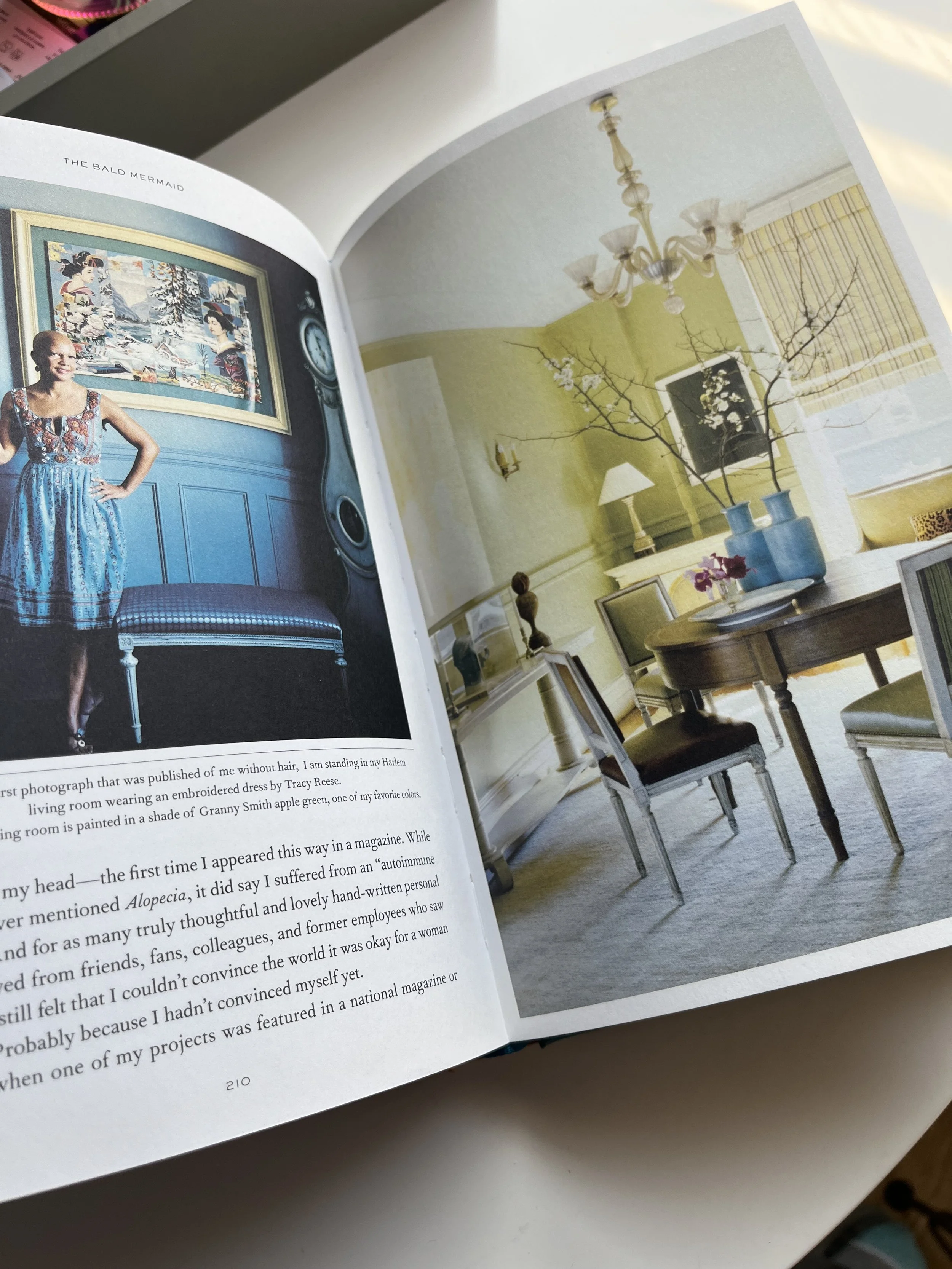
Design becomes powerful when it reflects lived experience.
Because here’s the quiet question many women wrestle with:
Does my home reflect who I am or who I think it’s supposed to impress?
Your heritage, your upbringing, your memories, your traditions - they deserve presence in your space.
Not in a loud way.
Not in a forced way.
But in a way that feels honest.
When design reflects your culture and lived experience, it doesn’t just look beautiful.
It feels anchored.
And anchored spaces create emotional security.
Designing With Intention in Your Own Home
Black architects and designers throughout history understood something profound:
Space shapes experience.
And you have the power to shape yours.
If your home feels disconnected right now, begin here:
Remove one item that no longer feels aligned.
Add one object that reflects your heritage or a meaningful memory.
Rearrange one room based on function before aesthetics.
Design is not about copying trends.
It’s about curating identity.
This Black History Month
But also recognize the deeper legacy, the architects and designers whose resilience and brilliance shaped how America lives inside its homes.
And then ask yourself:
What story is my home telling?
As women, we deserve homes that feel like sanctuary not performance.
Homes that are calm, multifunctional, and layered with meaning.
Homes that tell our story.
If you’re ready to create a home that reflects who you are becoming, I invite you to begin with clarity and purpose. The Design Path is where we begin →

.jpg)